How to Choose the Right Cooker Hood

How to Choose the Right Cooker Hood

Σεπ 05, 2025 Home , Articles

The cooker hood is a key element in every kitchen, ensuring a healthy environment by removing steam, odors, and grease, while also protecting the durability of the furniture.

For the manufacturer, choosing the right hood is essential in order to offer the customer a combination of performance, quiet operation, and discreet aesthetics.

Calculating Extraction Power

o choose the right model, a simple calculation can be used:

Kitchen area (m²) × Average height (2.5 m) × 10 air changes/hour = required m³/h

👉 Example: For a 12 m² kitchen, you need a hood with a minimum extraction capacity of 300 m³/h.

According to the international standard IEC 61591, the performance of cooker hoods is measured using a 2 m duct with a Ø150 mm diameter and one 90° bend. This means the stated values reflect real installation conditions. In practice, every additional meter of ducting or extra bend reduces the extraction efficiency and may increase noise levels.

However, several manufacturers measure performance with a free outlet (without ducts), showing higher extraction rates that cannot be achieved in everyday use. For kitchen manufacturers, it’s crucial to understand this difference in order to recommend solutions based on real data rather than theoretical figures.

Installation and Exhaust Ducting

Proper installation of the cooker hood is crucial for its performance. For air extraction, it is recommended to use plastic ducts with a smooth inner surface, as they help reduce resistance and noise.

Metal or spiral ducts are not recommended, since they create more vibrations, increase noise levels, and contribute to condensation buildup. In addition, the duct diameter should not be smaller than the hood’s outlet diameter, as this reduces efficiency and increases noise.

By selecting the right material and diameter, the appliance operates more quietly, more efficiently, and with a longer lifespan.

External Extraction or Air Recirculation?

External Extraction:
With external extraction, the filters capture steam and grease particles, while the air is expelled outside the kitchen through the outlet and ducting system.
This method is recommended wherever possible, as it is:
✓ More efficient
✓ Quieter
✓ More cost-effective in the long run

Air Recirculation with Carbon Filters:
In recirculation mode, the filters trap steam and grease, while activated carbon filters purify the air from cooking odors. The clean air is then returned to the kitchen — no external outlet is required.

Types of Cooker Hoods

There are several categories available on the market, but trends have changed significantly in recent years.

Ceiling Hoods

Installed on the ceiling, they are an ideal choice for open-plan kitchens or spaces with an island. They offer freedom of movement and a minimalist aesthetic, though their installation is more demanding and often comes with a higher cost.

Island Hoods

Installed above cooktops located on a central island, these hoods hang from the ceiling and remain visible — often becoming a key design feature.

In modern homes, where the island serves as a meeting and communication point for the family, the hood’s aesthetic plays an important role.

They combine high extraction performance with striking visual presence, but require careful installation planning for power supply and air exhaust. When operating in recirculation mode, carbon filters are essential to trap odors and must be regularly replaced or regenerated.

Cooker Hoods with Integrated Hob

These combine an induction cooking surface and extraction system in a single appliance, offering both convenience and high ergonomics.

They also save space, as there’s no need for a traditional hood installation — making them ideal for the design of smaller kitchens.

Downdraft Hoods

These discreetly rise next to the cooktop only when in use and remain hidden the rest of the time.

They offer a perfectly minimalist aesthetic, but are among the most expensive options, increasing the overall cost of the kitchen.

Sliding Hoods

Although they were an affordable solution for many years, they are now considered outdated.

For manufacturers, they also pose additional challenges, as they require cabinet doors to be cut to different dimensions, increasing both production time and complexity.

Built-in Motor Hoods

The extraction mechanism is installed within a custom-built housing, offering complete design freedom and a discreet aesthetic. These hoods are integrated inside a cabinet and remain almost invisible, perfectly suited to the minimalist design of modern kitchens.

Since the surrounding cabinets are more exposed to steam and grease, it’s important that these hoods have high extraction power to ensure optimal protection and performance.

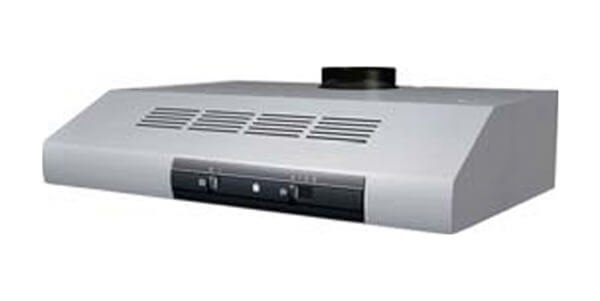
Chimney (Wall-Mounted) Hoods

Once the most popular choice for many years, they are now considered outdated.

They take up valuable wall space, limit kitchen design flexibility, and contrast with the modern trend toward clean lines and minimalist aesthetics.

Decorative Hoods

These stand out for their design and often serve as a decorative element in the kitchen. They are available in vertical or inclined versions, combining an impressive appearance with comfortable access to the cooktop.

Advanced models may include air quality sensors, touch screens, timers, and even app-based control. Manufacturers should consider the space they occupy and ensure proper alignment with the other kitchen elements.

Telescopic Hoods

These are installed inside a cabinet and are activated by pulling out the front panel. They are now becoming obsolete, as their design no longer aligns with modern aesthetic trends and their installation requires greater precision compared to newer, more advanced solutions.

Wall-Mounted (Freestanding) Hoods

These are installed directly on the wall, usually above the cooktop. They offer good performance with relatively simple installation but reduce available space and don’t easily blend with minimalist kitchen designs.

Modern Extraction Technologies for Induction Hobs

Induction hobs are the most efficient and fastest-growing cooking technology, but due to their low heat dispersion, they create the issue of steam condensation on the hood.

Franke Drip Free Built-in Hoods

Franke has developed a special range of Drip Free built-in hoods to address the condensation issue caused by induction hobs. They are available in the Mythos, Maris, and Smart series and feature inclined stainless-steel grease filters that direct condensation into an easily removable water tray.

When opened, the folding glass panel protects the wall cabinets from moisture and condensation. In the Mythos series, the glass includes heating elements that prevent dripping entirely.

Exceptional Performance and Smart Connectivity

Franke Drip Free hoods offer outstanding suction power, with an airflow of up to 710 m³/h, effectively purifying kitchen air and — in their most advanced versions — even improving overall indoor air quality throughout the home.

Selected Mythos and Maris models are equipped with K-LINK technology: an intelligent communication system between the hob and the hood that automatically adjusts the airflow according to cooking intensity.

Market Trend: Discretion and Minimalism

Traditional chimney hoods, once a dominant design feature, are now being phased out. Today’s customer seeks clean spaces, sleek lines, and functions that disappear when not in use. Hoods integrated into the cabinet or hob have become the centerpieces of modern kitchen design.

For manufacturers aiming to stand out, recommending the right hood is a key differentiator. The choice is no longer just about power — it now extends to design, functionality, and user experience.

At STEROPAL, you’ll find the new generation of Franke hoods, designed to meet the demands of the modern kitchen.

Three Cooker Hood Solutions That Will Make You Stand Out!

Flat Built-In Hood FBI

Installed inside the upper cabinet, this hood remains completely 

out of sight.
It’s a classic and affordable solution, offering extraction power of up to 590 m³/h and LED lighting, effectively meeting the needs of a domestic kitchen.
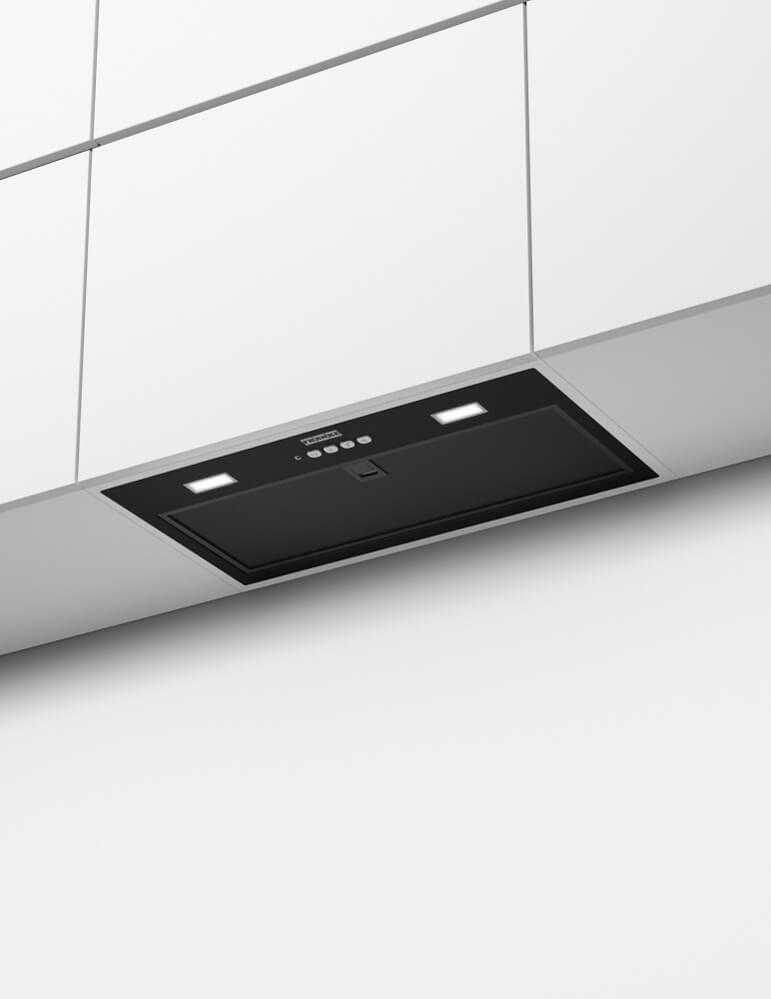
Box Flush

This built-in hood fits easily into the cabinet, making installation particularly convenient for the manufacturer. It offers extraction power up to 610 m³/h, LED lighting, and a clean, discreet design, making it a practical and elegant solution for modern kitchens.

Style Plus

Εντοιχιζόμενος απορροφητήρας με ισχύ έως 650 m³/h, LED φωτισμό και ενεργειακή κλάση A. Διαθέτει πτυσσόμενο τζάμι στην πρόσοψη που βοηθά στην προστασία των ερμαρίων από υγρασία και λίπη, συνδυάζοντας λειτουργικότητα και υψηλή αισθητική.

...and the Ideal Hood Solutions for Induction Hobs

Maris Drip Free

Built-In Hood with Drip Free Technology Featuring Drip Free technology to prevent condensation and K-Link connectivity for automatic communication with the induction hob. It offers extraction power up to 690 m³/h, LED lighting, and an elegant design, ensuring both comfort and protection for your kitchen.
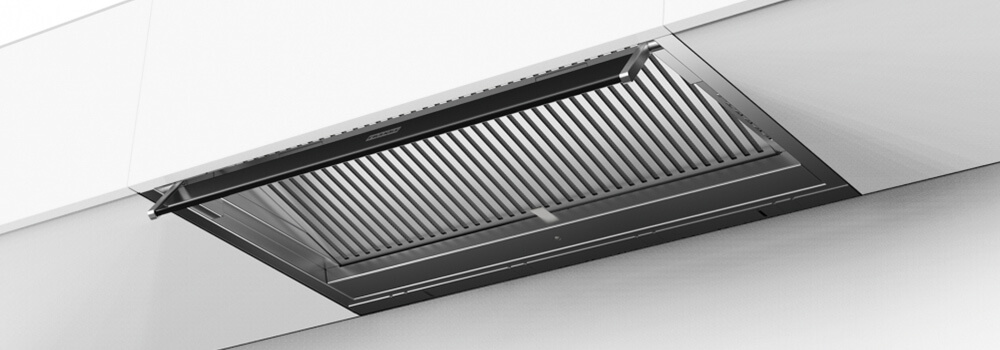
Smart Style Drip Free

Equipped with Drip Free technology 

to reduce condensation and a glass panel 
that protects the cabinets.
It provides extraction power up to 670 m³/h, LED lighting, and a sleek appearance, combining efficiency with style in the kitchen.

Cookie consent